
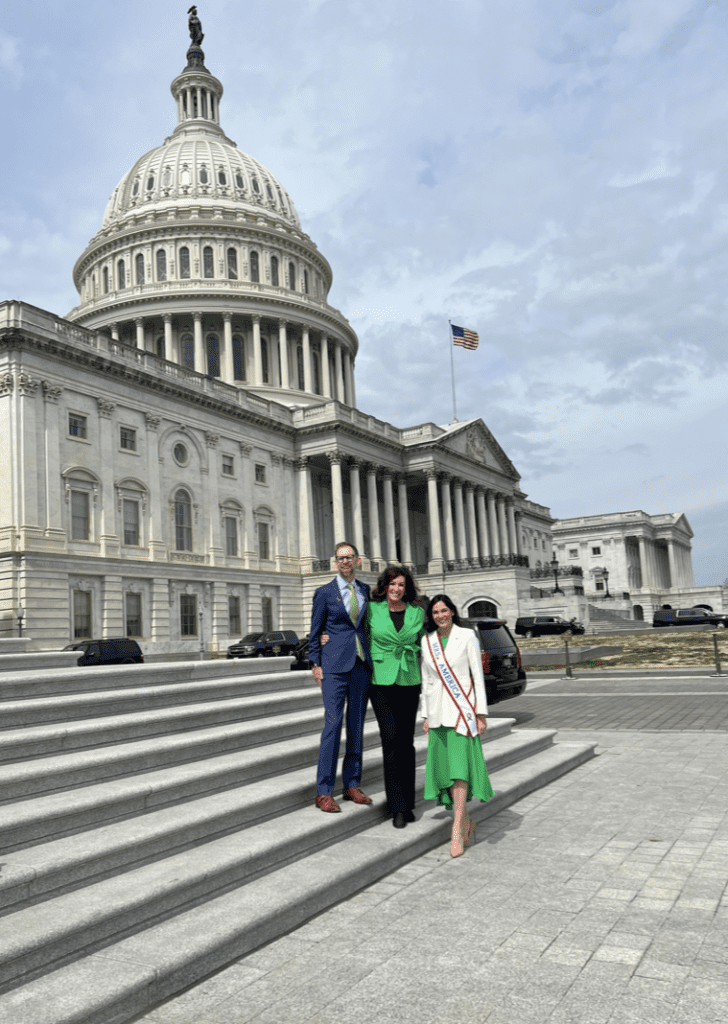
Advocate
Your voice can make the difference
Cerebral Palsy remains under supported and is a critical public health issue.
By letting your elected officials and policymakers know what is most important to you and the cerebral palsy community, you can change the future. Contact your elected officials now and tell them it’s vitally important to support increased cerebral palsy research investment and healthcare improvements.
20 YEARS OF CEREBRAL PALSY AWARENESS
WHY NATIONAL CEREBRAL PALSY AWARENESS DAY WAS CREATED & WHY IT MATTERS
The Cerebral Palsy Foundation is leading the charge to increase federal funding for CP research — and it’s working. As the leading U.S.-based organization advocating for people with CP, our efforts have transformed national awareness and shaped critical funding decisions that improve lives. We want you to know that this moment matters.
Over the next few weeks, Congress will decide on key funding that affects the future of CP research in the U.S. We’re asking YOU to join us in making sure they hear our voices loud and clear. Call or email your state representatives today and tell Congress to fund cerebral palsy research!
Awareness Day 2026
March 25th, 2026 will mark the 20th year of National Cerebral Palsy Awareness Day.
Over the past two decades, cerebral palsy awareness has grown around the world. Buildings light up green. Families mobilize. Researchers discover new possibilities. The CP community activates. Policymakers acknowledge our voices and have begun to establish funding and policy change. But the data now tells us something critical: Awareness alone is not enough. More action is needed.
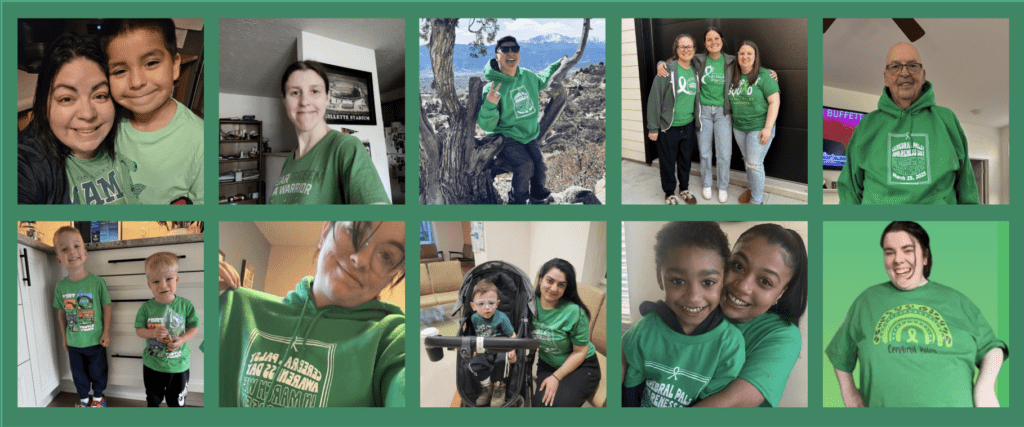
Research investment changes outcomes
Over the past twenty years, sustained advocacy led by families and, more recently, the Cerebral Palsy Foundation has:
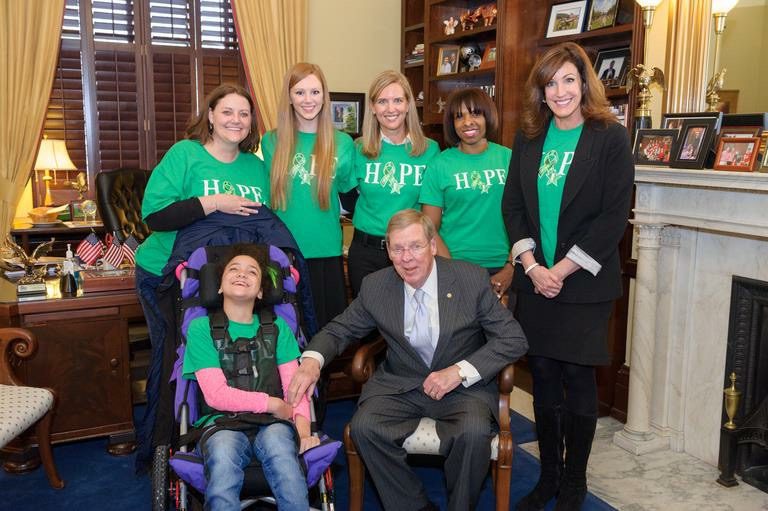
What You CAN DO: Take ACTION
The next few years must move from incremental gains to transformational change for cerebral palsy. The CP community can help make this a reality. Will you join us? Help make a difference. National Cerebral Palsy Awareness Month is the perfect
time to join The CPF Advocacy Network and download our Advocacy Toolkit to
learn how you can make a difference in your community and your country. #GoGreen4CP
The state of cerebral palsy in america
The science is clear. The need is urgent. The opportunity for leadership is real. The time is now.
FEDERAL ADVOCACY UPDATES
-
OVERVIEW
-
2025
-
2024
-
2023
Our work has shaped federal advocacy effort for cerebral palsy research funding for the last twelve years.
As a result of our efforts and advocacy work with key legislators, we have helped more than triple the amount of US Congressional funding for Cerebral Palsy research over the last twelve years, including the first dedicated Cerebral Palsy research surveillance at the Centers for Disease Control and Prevention (CDC) in 2023. This new surveillance information will ultimately lead to earlier diagnosis across the US so young children can access treatment sooner, leading to better outcomes, and increased availability of services.
We are so proud of our advocacy leadership that is driving forward much needed federal government support and investment in cerebral palsy research improving lives across the lifespan. Our work continues educating and increasing public health awareness among policy makers, stakeholders, other organizations, and the cerebral palsy community.
The Cerebral Palsy Foundation continues its advocacy leadership urging Congress to prioritize federal investment in cerebral palsy research across the lifespan of people with cerebral palsy. These legislative advances benefit the entire cerebral palsy community – stakeholders, families, researchers, healthcare providers and move the field forward to be able to create positive change, conduct more needed research and improve outcomes for people of all ages with cerebral palsy.
US Federal Advocacy: Urge Congress to Increase Cerebral Palsy Research Investment
Together, we can transform the future of cerebral palsy
June 25, 2025
The Cerebral Palsy Foundation is leading the charge to increase federal funding for CP research — and it’s working. As the leading U.S.-based organization advocating for people with CP, our efforts have transformed national awareness and shaped critical funding decisions that improve lives. We want you to know that this moment matters.
Over the next few weeks, Congress will decide on key funding that affects the future of CP research in the U.S. We’re asking YOU to join us in making sure they hear our voices loud and clear. Call or email your state representatives today and tell Congress to fund cerebral palsy research!
Cerebral Palsy Research Program Authorization Act
March 25, 2025
The Cerebral Palsy Foundation (CPF) has worked with bipartisan members of United States Congress on the Cerebral Palsy Research Program Authorization Act, which would establish the first-ever dedicated federal program for cerebral palsy research.
CPF strongly supports the Cerebral Palsy Research Authorization Act, which addresses the urgent need for increased research and resources for cerebral palsy – the most common lifelong motor impairment, affecting more than 1,000,000 Americans. This Act represents a significant step forward in improving the lives of individuals with cerebral palsy and their families and we are grateful to Congressmen Steve Cohen, Brian Fitzpatrick, and Emanuel Cleaver for their leadership on this important public health issue. This Act will directly lead to breakthroughs that reduce the prevalence and impact of cerebral palsy, enhancing quality of life and reducing the financial burdens associated with lifelong care.
Historically, the lack of dedicated federal funding has hindered progress in developing more effective care and treatment for cerebral palsy. It is vital that Congress passes the Cerebral Palsy Research Program Authorization Act to drive essential advancements that will vastly improve prevention protocols, more effective treatments, and health outcomes for people living with cerebral palsy.
We urge the entire cerebral palsy community to voice strong support for the Cerebral Palsy Research Program Authorization Act right now. We invite your family, organization, academic institution, or company to join this crucial effort and sign our petition by April 18th, 2025. This petition has been closed — we’re grateful to everyone who got involved!
March 1st, 2025
WASHINGTON — U.S. Representatives Steve Cohen (D-TN), Emanuel Cleaver, II (D-MO), and Brian Fitzpatrick (R-PA) reintroduced the Cerebral Palsy Research Program Authorization Act. The bipartisan legislation would create the first-ever cerebral palsy (CP) federal research program to investigate prevention, diagnosis, treatment and the societal costs of cerebral palsy, the most prevalent life-long physical disability.
“Although cerebral palsy affects one out of every 345 children, it is the most prevalent disability that has no designated federal funding for research,” said Congressman Cohen. “No dedicated federal funding for cerebral palsy means there are fewer treatment options, less prevention, less education, and a lack of standards of care across lifespans. The Cerebral Palsy Research Program Authorization Act addresses these critical oversights.”
“As we recognize Cerebral Palsy Awareness Month, I’m proud to stand with my friend, Representative Steve Cohen, to introduce bipartisan legislation that would finally provide federal funding to research cerebral palsy, the most common life-long physical disability impacting Americans today,” said Congressman Cleaver. “Through the creation of a federal research program dedicated to this disorder, not only can we make progress in advancing treatments and diagnostic practices, but we can also provide hope to the millions of patients, families, and loved ones who are faced with this condition. It’s time to raise the standard of care for Americans with cerebral palsy, and the Cerebral Palsy Research Program Act is an essential step toward that goal.”
US Federal Advocacy: Urge Congress to Increase Cerebral Palsy Research Investment
The Cerebral Palsy Community Makes Federal Impact for Cerebral Palsy Research.
March 1st, 2024
WASHINGTON — Congressman Steve Cohen (TN), with bipartisan co-sponsors Congressmen Brian Fitzpatrick (PA) and Emanuel Cleaver (MO), today introduced the Cerebral Palsy Research Program Act which would create a cerebral palsy research program within the Centers for Disease Control and Prevention (CDC) and provide the first-ever dedicated source of federal funding for cerebral palsy research.Cerebral palsy (CP) is the most common life-long physical disability, occurring in approximately one out of 345 children and approximately one million people in the United States. However, there is not a federal research program that focuses on the disability.“The lack of dedicated federal funding has limited any potential advances into the care and treatment of cerebral palsy,” said Congressman Cohen. “Many people with CP visit pediatricians throughout their lives because there is no standard of care for treating CP and very few health care providers specialize in treating adults with CP. Few providers are even aware of how CP affects an adult.”The Cerebral Palsy Research Program Act would direct the CDC to establish a research program to support research on the diagnosis, treatment, mitigation, health care costs, and societal costs of cerebral palsy and track the number of people diagnosed with CP in the United States. Additionally, it would provide funds to the National Institutes of Health to update and publish a Strategic Plan on Cerebral Palsy, which was last published in 2017.“As we kick off Cerebral Palsy Awareness Month 2023, I’m extraordinarily proud to introduce the bipartisan Cerebral Palsy Research Program Act with my friend, Representative Cohen,” said Congressman Cleaver.
“CP is the most common lifelong motor disability for Americans, yet for far too long, Congress has overlooked the critical public health need to fund, research and develop new treatments and technologies that can support individuals living daily with CP. With this common sense proposal, we can begin to right that wrong, and take the steps necessary to improve the lives of every child and adult living with CP — and I believe that’s something everyone in Congress should be able to support.”“Cerebral palsy I the most common of all diagnosed childhood disabilities, and nearly 10,000 babies born each year will develop CP, yet, there is currently no designated federal funding for CP research,” said Representative Fitzpatrick. “I am pleased to join Representatives Cohen and Cleaver to introduce the bipartisan Cerebral Palsy Research Program Act, which will support CP research, diagnosis, and treatment efforts and improve the lives of the more than 1,000,000 Americans living with CP.” Cynthia Frisina, Cerebral Palsy Foundation Senior Vice President, mother of a daughter with cerebral palsy and the creator of National Cerebral Palsy Awareness Day, said, “The Cerebral Palsy Research Program Act will profoundly improve the lives of people with cerebral palsy across the lifespan, and their families. The cerebral palsy community strongly supports this critical public health research need. With dedicated investment and commitment by Congress, we will finally see breakthroughs in improved treatments, prevention and enhanced healthcare that people living with cerebral palsy deserve.”
US Federal Advocacy: Urge Congress to Increase Cerebral Palsy Research Investment
The Cerebral Palsy Community Makes Federal Impact for Cerebral Palsy Research.
March 1st, 2023
WASHINGTON — Congressman Steve Cohen (TN), with bipartisan co-sponsors Congressmen Brian Fitzpatrick (PA) and Emanuel Cleaver (MO), today introduced the Cerebral Palsy Research Program Act which would create a cerebral palsy research program within the Centers for Disease Control and Prevention (CDC) and provide the first-ever dedicated source of federal funding for cerebral palsy research.Cerebral palsy (CP) is the most common life-long physical disability, occurring in approximately one out of 345 children and approximately one million people in the United States. However, there is not a federal research program that focuses on the disability.“The lack of dedicated federal funding has limited any potential advances into the care and treatment of cerebral palsy,” said Congressman Cohen. “Many people with CP visit pediatricians throughout their lives because there is no standard of care for treating CP and very few health care providers specialize in treating adults with CP. Few providers are even aware of how CP affects an adult.”The Cerebral Palsy Research Program Act would direct the CDC to establish a research program to support research on the diagnosis, treatment, mitigation, health care costs, and societal costs of cerebral palsy and track the number of people diagnosed with CP in the United States. Additionally, it would provide funds to the National Institutes of Health to update and publish a Strategic Plan on Cerebral Palsy, which was last published in 2017.“As we kick off Cerebral Palsy Awareness Month 2023, I’m extraordinarily proud to introduce the bipartisan Cerebral Palsy Research Program Act with my friend, Representative Cohen,” said Congressman Cleaver.
/
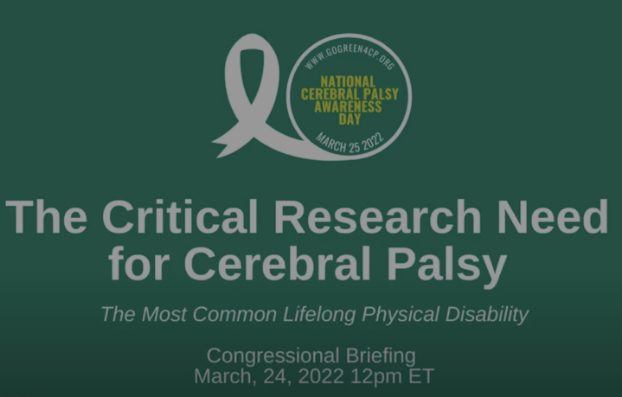

Congressional Briefing
2022 Congressional Briefing for Cerebral Palsy
March 24th, 2022